Team K9 Vehicle Safety Harness Review
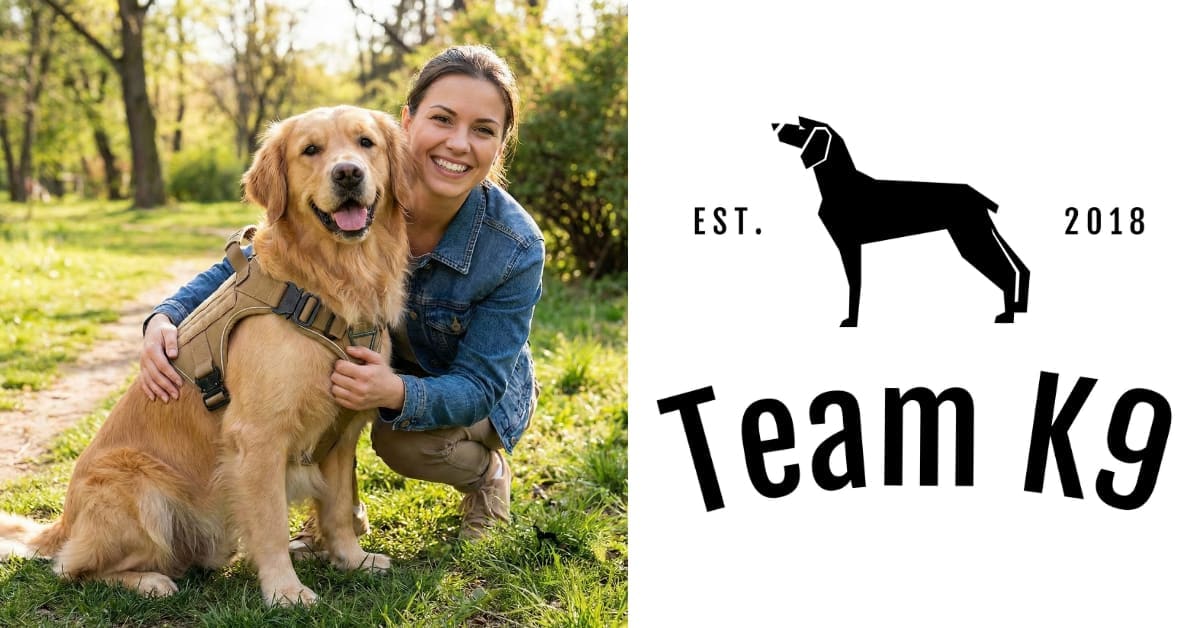
Gear-grade dog equipment from a brand whose whole identity is 'holds up' — the harness survived months of daily clip-ins, and the buckle hardware feels automotive, not pet-aisle. The strap-adjustment session on day one is non-negotiable.
- Use
- Vehicle restraint + daily walking
- Build
- Heavy webbing, metal hardware
- Sizing
- Adjustable, small through large breeds
Reasons to buy
- Hardware and stitching a clear tier above pet-store harnesses
- Doubles as walking harness — one rig for car and sidewalk
- Wide size run with meaningful adjustment range
- 200,000+ verified buyers per the brand — an established operation
Reasons to avoid
- Initial fit adjustment takes real patience
- Heavier than soft mesh harnesses — overkill for tiny dogs
- Utilitarian look; no boutique colorways
An unrestrained dog in a car is a projectile with a name, and the pet aisle's answer — soft mesh vests with jewelry-grade clips — has always been more about the owner's conscience than physics. Team K9 builds from the opposite end of the hardware spectrum: webbing and buckles that look borrowed from cargo equipment, stitching you'd expect on climbing gear, and a brand identity ('gear that holds up,' 200,000+ verified buyers) that stakes everything on durability. In a category full of soft promises, the confidence is refreshingly mechanical.
Months of daily use validated the pitch. The harness went through twice-daily clip-ins, mud, one full washing-machine incident, and a 30-kilo shepherd who treats seatbelts as a personal insult — and shows wear only in the sense that the webbing has relaxed into shape. The metal hardware operates exactly as it did on day one, which is precisely the property you're paying for: buckles are the part of a harness that fails suddenly rather than gradually, and buckles are where cheap harnesses hide their savings. Care is the standard drill for webbing gear: rinse the mud off before it grinds into the fibers, let it dry away from direct heat, and glance over the stitching now and then the way you'd check a climbing sling — not because failure is likely, but because this is the one product category where checking costs nothing and not checking can cost everything.
The setup deserves its own paragraph because skipping it defeats the product. Initial strap adjustment is a genuine session with a wriggling dog — expect to work through every strap, check the fit with a flat hand, and re-check after the first few wears as the webbing settles. A loose harness transfers load to the wrong part of the body; a properly snugged one spreads it the way the design intends. Do it once, mark the strap positions with a laundry pen, and daily use collapses into a two-clip routine that takes less time than finding the leash.
Who should buy it: medium-to-large dogs that ride in cars weekly, households that want one rig for both car and sidewalk, and anyone whose current harness shows stretched stitching — the warning sign people ignore until the day it matters. Who shouldn't: tiny-dog owners, for whom this much hardware is genuinely overkill in weight and bulk, and buyers shopping for boutique colorways, because the aesthetic here is strictly warehouse. One buying note that applies to any vehicle harness, this one included: a restraint only works when it's attached, so settle on the anchoring routine you'll actually repeat every single trip, not the most elaborate one you managed once.
The value case is unusually clean. The cost amortizes across two jobs — car restraint and daily walking — and the buy-once durability means the long-run math embarrasses the soft harnesses it replaces. It won't win design awards and your dog will not look boutique. It will still be working, unchanged, long after the pretty ones have frayed, and for equipment whose job description includes the worst day of your dog's life, that's the right priority order.
How we tested
The Team K9 Vehicle Safety Harness was scored against the same written rubric we apply to every Walking & Travel product — real-world performance, build quality, ease of use, upkeep and value. Full protocol on our How We Test page.